
Information, Plant Care Tips, Tip of the Week
Tip of the Week – Focus on Gingers
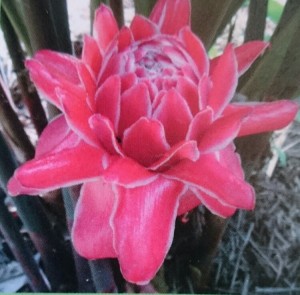
There is a vast array of plants known as Gingers. They are famous not only for their attractive floral arrangements but also as a source of culinary pleasure ….. often having well known health benefits. They can be small or large structures with creeping horizontal or tuberous rhizomes. The incredible Torch Gingers are just a sight to behold and are easy to grow if you live in a warm climate. Watch our video above and learn more.
Origin
There are over 1300 species of Ginger plants from the Family Zingiberaceae & Costaceae. There are 52 genera and they originate from tropical Africa, America, Asia and Australia.
Flowering
Flowering is spectacular but the flower itself may not necessarily be as spectacular as the amazing bracts or cones supporting the flowers. There are too many structures to describe here. Its best to learn about them one by one. Male and female parts are always on the one flower. Flowers are usually long lasting and most can be eaten.
Some Examples
Many of the Ginger family’s species are important ornamental, spice or medicinal plants. Ornamental genera include Shell Gingers (eg Alpinia zerumbet), Native Ginger (Alpinia coerulea), Siam Tulip (Curcuma alismatifolia), Globba’s (eg Globba winittii, Ginger Lily (Hedychium gardnerianum), Peacock Ginger (Kaempferia pulcherrima), Torch Ginger (Etlingera elatior), Blue Ginger (Dichorisandra thysiflora), Beehive Ginger (Zingiber spectabile), Spiral Gingers (eg Costus spiralis) Spices include Common Ginger (Zingiber officianale), Galangal (Alpinia galanga and others), Turmeric (Curcuma longa) and Cardamom (Elettaria).
Rhizomes
Supply energy to the plant for growth. They are thickened roots full of starch.
Climate
The gingers originate from tropical climates but many will grow in warm temperate climates. Deciduous gingers like some of the Curcumas, Globbos and Zingibers are good in cold climates as there are no above ground parts in winter to be damaged by the cold dry air or frost. Some gingers that are evergreen in warm climates will be deciduous in the cold especially if wet and cold. If Ginger foliage does become damaged during winter you simply cut it all back in spring and the plant will reshoot very quickly from its underground rhizome.
Essential Oils
Species in the Genera Alpinia and Hedychium are distilled for their essential oils used in the perfume industries. Alpinia zerumbet oil is the centre of major cancer research.
Care & Soils
Easy care but they do like moist well drained conditions. They will be OK in dry weather once established. Good in the sun with good moisture. Will flower in sun or shade.
Propagation
Usually by separating or cutting rhizomes. Seed can often be collected. Costus species and Dichorisandra are two that can be propagated by cuttings.

Get Access to More of Our Free Previous Tips Here >>
